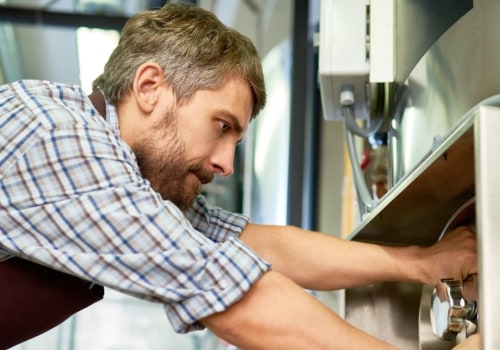
Home maintenance is a crucial aspect of homeownership that often goes overlooked until problems arise. It encompasses a wide range of tasks aimed at preserving the integrity, safety, and value of your property. Regular maintenance not only helps to prevent costly repairs down the line but also ensures that your home remains a safe and comfortable environment for you and your family. By understanding the importance of home maintenance , you can take proactive steps to protect your investment and enhance your living experience.The significance of home maintenance extends beyond mere aesthetics; it plays a vital role in safeguarding your property against potential hazards.
For instance, neglecting routine checks on your heating system or roof can lead to severe issues such as leaks or even structural damage. Moreover, regular upkeep can improve energy efficiency, which translates to lower utility bills and a reduced carbon footprint. In essence, maintaining your home is not just about keeping it looking good; it’s about ensuring its functionality and longevity.Additionally, the benefits of home maintenance are manifold. A well-maintained home can significantly increase its market value, making it more appealing to potential buyers should you decide to sell in the future.
Studies have shown that homes with regular maintenance schedules can appreciate in value by approximately 1% each year. This means that investing time and resources into upkeep is not merely an expense but a strategic move that pays dividends in the long run.As we delve deeper into this comprehensive guide on home maintenance, you will discover practical tips and strategies to create an effective maintenance schedule tailored to your specific needs. From seasonal tasks to annual inspections, understanding how to manage these responsibilities will empower you as a homeowner, ensuring that your property remains a safe haven for years to come.
Creating a Home Maintenance Schedule
Establishing a home maintenance schedule is essential for ensuring your property remains in excellent condition and retains its value over time. A well-structured schedule not only helps you keep track of necessary tasks but also prevents minor issues from escalating into costly repairs.Here’s how to create an effective maintenance timeline for your home.
Understanding the Importance of a Maintenance Schedule
A comprehensive maintenance schedule allows homeowners to systematically address upkeep tasks throughout the year. By breaking down responsibilities into monthly, quarterly, and annual categories, you can manage your time and resources more effectively. This proactive approach can save you money in the long run by avoiding emergency repairs and extending the lifespan of your home’s systems and appliances.Monthly Tasks
- Inspect HVAC Filters: Check and replace air filters in your heating and cooling systems to maintain efficiency.
- Test Smoke Alarms: Ensure smoke detectors are functioning properly by testing them monthly and replacing batteries as needed.
- Clean Kitchen Appliances: Regularly clean your oven, refrigerator coils, and dishwasher to prevent build-up that can lead to malfunctions.
- Check for Leaks: Inspect under sinks and around toilets for any signs of leaks or water damage.
Quarterly Tasks
- Inspect Roof and Gutters: Look for any signs of damage or blockages in gutters that could lead to water damage.
- Test Carbon Monoxide Detectors: Similar to smoke alarms, ensure these safety devices are operational.
- Clean Dryer Vents: Remove lint build-up from dryer vents to reduce fire hazards and improve efficiency.
- Check Exterior Paint: Inspect the exterior of your home for peeling paint or signs of wear that may require touch-ups.
Annual Tasks
- Service Heating and Cooling Systems: Schedule professional inspections for your furnace and air conditioning units to ensure they are running efficiently.
- Inspect Plumbing: Have a plumber check your pipes for leaks or corrosion, especially in older homes.
- Clean Chimney: If you use a fireplace, have your chimney cleaned and inspected annually to prevent chimney fires.
- Check Foundation: Inspect the foundation for cracks or signs of settling that may require attention.
Monthly Home Maintenance Checklist
Maintaining a home is an ongoing process that requires attention to detail and regular upkeep.A monthly home maintenance checklist can help you stay organised and ensure that your property remains in excellent condition. Here are essential tasks to consider each month:
- Inspect Plumbing Fixtures: Check all taps, toilets, and showerheads for leaks. Even a small drip can waste a significant amount of water over time. Tighten any loose fittings and replace worn washers as needed.
- Test Smoke and Carbon Monoxide Detectors: Ensure that all detectors are functioning correctly by pressing the test button.
Replace batteries if necessary, and consider replacing the units every ten years for optimal safety.
- Clean Air Filters: If your home has a central heating or cooling system, check and clean or replace the air filters monthly. This will improve air quality and system efficiency.
- Examine Electrical Outlets: Inspect outlets for any signs of damage or wear. If you notice any scorch marks or if an outlet feels warm to the touch, consult a qualified electrician immediately.
- Check Fire Extinguishers: Ensure that fire extinguishers are easily accessible and fully charged. Inspect the pressure gauge to confirm it is in the green zone, indicating readiness for use.
- Clear Clutter: Take time to declutter your living spaces.
Regularly removing unnecessary items not only keeps your home tidy but also reduces fire hazards and improves overall safety.
- Inspect Outdoor Areas: Walk around your property to check for any signs of damage or wear on fences, gates, and pathways. Look for cracks or loose stones that may pose a tripping hazard.
- Maintain Garden Tools: Clean and sharpen garden tools after use to ensure they remain effective. Store them in a dry place to prevent rusting.
Quarterly Home Maintenance Tasks
Performing quarterly home maintenance tasks is essential for ensuring your home remains in optimal condition.These tasks not only help in identifying potential issues before they escalate but also contribute to the longevity of your home’s systems and structures. Here’s a comprehensive list of important inspections and upkeep activities to undertake every three months.
1.Inspect HVAC Systems
Your heating, ventilation, and air conditioning (HVAC) system requires regular attention. Check the air filters and replace them if they are dirty or clogged. A clean filter improves air quality and system efficiency.Additionally, inspect the ductwork for any signs of leaks or blockages that could hinder airflow.
2.Check Smoke and Carbon Monoxide Detectors
Safety should always be a priority in home maintenance. Test all smoke detectors and carbon monoxide alarms to ensure they are functioning correctly. Replace batteries as needed, and consider replacing the units themselves if they are over ten years old.3.Examine Plumbing Fixtures
Inspect all visible plumbing for leaks, drips, or corrosion. Pay special attention to under sinks, around toilets, and near water heaters.Addressing minor leaks promptly can prevent significant water damage and costly repairs down the line.
4.Clean Gutters and Downspouts
Clogged gutters can lead to water damage on your roof and foundation. Every three months, clear out leaves, twigs, and debris from your gutters and downspouts to ensure proper drainage. This simple task can save you from expensive repairs caused by water overflow.5.Inspect Exterior Walls and Foundation
Take a walk around your property to examine the exterior walls for cracks or signs of wear. Look for any gaps in the foundation that could allow pests or moisture to enter your home.Sealing these gaps can enhance energy efficiency and protect against structural damage.
6.Test Outdoor Lighting
Check all outdoor lighting fixtures to ensure they are functioning properly. Replace any burnt-out bulbs and consider upgrading to energy-efficient LED lights for better performance and lower energy costs.7.Review Landscaping
Inspect your garden and landscaping for overgrown plants or trees that may be encroaching on your home’s structure or utility lines. Trim back any branches that could pose a risk during storms or high winds.By adhering to this quarterly maintenance schedule , you can proactively manage your home’s upkeep, ultimately saving time, money, and stress in the long run. Regular inspections allow you to catch small issues before they develop into larger problems, ensuring your home remains a safe and comfortable environment for you and your family.Common Home Maintenance Mistakes to Avoid
Home maintenance is essential for preserving the value and safety of your property, yet many homeowners fall into common traps that can lead to costly repairs or diminished home value.Understanding these pitfalls is crucial for effective upkeep.
1.Neglecting Regular Inspections
One of the most significant mistakes is failing to conduct regular inspections of key areas such as the roof, plumbing, and electrical systems. Many issues can go unnoticed until they escalate into major problems. Schedule routine checks at least twice a year to catch potential issues early.
2.Ignoring Seasonal Maintenance
Each season brings specific maintenance tasks that should not be overlooked. For instance, clearing gutters in autumn and checking heating systems before winter can prevent water damage and ensure your home remains warm.
Create a seasonal checklist to stay organised.
3.Skipping DIY Safety Precautions
While DIY projects can save money, neglecting safety precautions can lead to accidents or further damage. Always wear appropriate safety gear and follow manufacturer instructions when using tools or chemicals. If a task feels beyond your skill level, consider hiring a professional.
4.Overlooking Small Repairs
Small issues like a leaky faucet or a cracked tile may seem insignificant, but they can lead to larger problems if ignored. Addressing minor repairs promptly can save you time and money in the long run.
5.Failing to Budget for Maintenance
Many homeowners underestimate the costs associated with home upkeep.
A good rule of thumb is to set aside 1-3% of your home's value annually for maintenance expenses. This budget will help you manage unexpected repairs without financial strain.
6.Not Keeping Records
Failing to document maintenance tasks and repairs can lead to confusion over what has been done and when. Keep a detailed log of all maintenance activities, including dates, costs, and any professional services used. This record will be invaluable when selling your home or planning future maintenance.
7.Ignoring Manufacturer Guidelines
Each appliance and system in your home comes with specific maintenance guidelines from the manufacturer.
Ignoring these recommendations can void warranties and lead to premature failures. Always refer to these guidelines for optimal care.By being aware of these common home maintenance mistakes and taking proactive steps to avoid them, you can ensure that your home remains a safe, comfortable, and valuable asset for years to come.
When to Hire Professionals for Home Maintenance
Home maintenance is a crucial aspect of homeownership, but there are times when the tasks at hand may exceed your skill set or available time. Understanding when to hire professionals can save you from potential mishaps and ensure that your home remains in optimal condition.Identifying Your Limits
Before embarking on any home maintenance project, it’s essential to assess your own capabilities. While many tasks can be tackled by a determined DIY enthusiast, some jobs require specialised knowledge and tools.
Here are a few indicators that it might be time to call in a professional:
- Complexity of the Task: If a job involves intricate systems such as electrical wiring, plumbing, or structural repairs, it’s wise to consult an expert. Mistakes in these areas can lead to safety hazards or costly damage.
- Lack of Time: Home maintenance can be time-consuming. If your schedule is packed and you find it challenging to dedicate the necessary hours, hiring a professional can ensure that the work is completed efficiently.
- Safety Concerns: Certain tasks pose significant risks, such as working on roofs or handling hazardous materials. If you feel uncomfortable or unsafe, it’s best to leave these jobs to trained professionals.
- Specialised Equipment: Some maintenance tasks require specific tools that you may not own.
Renting or purchasing these tools can be expensive and impractical for one-off jobs.
When to Hire a Contractor
There are specific scenarios where hiring a contractor is not just advisable but necessary:
- Major Renovations: If you’re planning significant changes, such as remodelling a kitchen or bathroom, hiring a contractor ensures that the work meets local building codes and regulations.
- Seasonal Maintenance: Tasks like gutter cleaning, roof inspections, and HVAC servicing are best left to professionals who have the expertise and equipment to perform them safely and effectively.
- Emergency Repairs: In cases of water leaks, electrical failures, or other urgent issues, immediate professional assistance can prevent further damage and costly repairs down the line.
The DIY vs Professional Help Debate
While DIY projects can be rewarding and cost-effective, they come with their own set of challenges. It’s essential to weigh the pros and cons:
- Cost Savings: DIY can save money on labour costs; however, if mistakes are made, the cost of repairs may outweigh initial savings.
- Satisfaction: Completing a project yourself can provide a sense of accomplishment. Yet, this satisfaction should not come at the expense of safety or quality.
- Time Investment: Consider whether you have the time to commit to learning new skills and completing projects. Sometimes hiring a professional is more efficient in terms of time.
By recognising your limits and understanding the complexities involved in various tasks, you can make informed decisions that protect both your home and your peace of mind.
Budgeting for Home Maintenance Costs
Budgeting for home maintenance is a crucial aspect of responsible homeownership. It ensures that you are financially prepared for the inevitable repairs and upkeep that come with owning a property. By planning ahead, you can avoid unexpected financial strain and keep your home in excellent condition.To begin with, it’s essential to understand the typical costs associated with home maintenance. A common rule of thumb is to allocate between 1% to 3% of your home’s purchase price annually for maintenance.For instance, if your home is valued at £250,000, you should budget between £2,500 and £7,500 each year for upkeep. This range accounts for both minor repairs and larger projects that may arise over time.When estimating your budget, consider the age and size of your property. Older homes often require more frequent repairs due to wear and tear, while larger homes may have higher maintenance costs simply due to their size. Here are some factors to consider:
- Age of the Home: Older homes may need more extensive renovations or replacements of major systems like plumbing, electrical, or roofing.
- Size of the Property: Larger homes typically have more square footage to maintain, which can increase costs for heating, cooling, and general upkeep.
- Location: Homes in areas with harsh weather conditions may require more frequent maintenance due to environmental wear.
This approach allows you to accumulate funds over time without impacting your regular budget. Here are some tips for effective financial planning:
- Create a Maintenance Schedule: List out all the tasks that need to be done throughout the year and assign estimated costs to each task. This will give you a clearer picture of what to expect.
- Prioritise Repairs: Not all repairs are urgent. Prioritise them based on necessity and potential impact on your home’s value.
- Review Regularly: At least once a year, review your budget and adjust it based on any changes in your home’s condition or market trends.
By understanding the costs involved and planning accordingly, you can ensure that your home remains a safe and comfortable place for years to come.
Conclusion: The Importance of Regular Home Maintenance
In conclusion, the significance of regular home maintenance cannot be overstated. It serves as the backbone of a well-functioning household, ensuring that your living environment remains safe, comfortable, and aesthetically pleasing. By adhering to a structured maintenance schedule, homeowners can not only preserve the integrity of their property but also enhance its overall value.Throughout this guide, we have explored various aspects of home maintenance, from seasonal tasks to annual inspections. Each of these elements plays a crucial role in identifying potential issues before they escalate into costly repairs.For instance, regular checks on your roof and gutters can prevent water damage, while timely servicing of heating and cooling systems can improve energy efficiency and reduce utility bills.Moreover, maintaining your home is not just about protecting your investment; it is also about ensuring the safety and well-being of your family. Neglected maintenance can lead to hazardous situations, such as electrical failures or structural weaknesses. By prioritising routine inspections and repairs, you create a safer living environment for everyone.It is also essential to recognise that home maintenance is an ongoing commitment. Establishing a home maintenance schedule allows you to break down tasks into manageable segments, making it easier to stay on top of necessary upkeep.
Whether it’s monthly checks or seasonal deep cleans, consistency is key.Finally, consider the long-term benefits of regular maintenance. Studies indicate that homes with consistent upkeep can appreciate in value by approximately 1% annually. This not only provides financial security but also enhances your quality of life as you enjoy a well-maintained space.In summary, embracing a proactive approach to home maintenance will yield significant rewards in terms of safety, comfort, and financial investment. Make it a priority to engage in regular upkeep; your future self will thank you.