Home maintenance is a crucial aspect of property ownership that often goes overlooked until issues arise. It encompasses a wide range of activities aimed at preserving the functionality, safety, and aesthetic appeal of a home. From routine tasks such as cleaning gutters and changing air filters to more complex undertakings like roof repairs and plumbing inspections, home maintenance is essential for ensuring that your living environment remains safe and comfortable. Homeowners should also be aware of whether there any rules or regulations for staying compliant with local standards, as understanding the importance of these activities can help them appreciate their role in protecting their investment.The significance of home maintenance extends beyond mere aesthetics; it plays a vital role in safeguarding the value of your property. is essential for ensuring that your living environment remains safe and comfortable. Homeowners should also be aware of whether there any rules or regulations for staying compliant with local standards, as understanding the importance of these activities can help them appreciate their role in protecting their investment.The significance of home maintenance extends beyond mere aesthetics; it plays a vital role in safeguarding the value of your property.
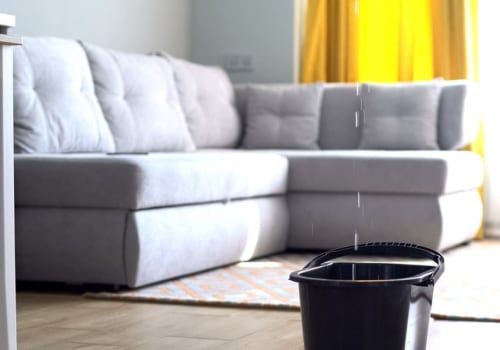
Regular upkeep can prevent minor issues from escalating into major problems that require costly repairs. For instance, neglecting to address a small leak can lead to extensive water damage, mould growth, and structural issues over time. By prioritising maintenance tasks, homeowners can not only enhance their property's longevity but also ensure that it retains its market value should they decide to sell in the future.Moreover, the benefits of home maintenance are multifaceted. Not only does it contribute to the overall safety of your household by reducing hazards such as slips, trips, and falls, but it also promotes energy efficiency.
Well-maintained homes are less likely to experience drafts or inefficient heating and cooling systems, leading to lower utility bills. Additionally, a proactive approach to maintenance fosters peace of mind, allowing homeowners to enjoy their living spaces without the constant worry of unexpected repairs or safety concerns.
The Financial Benefits of Home Maintenance
Investing in home maintenance is not merely a matter of keeping your property looking good; it is a strategic financial decision that can yield significant long-term savings. Regular upkeep can prevent minor issues from escalating into major repairs, which can be financially burdensome. For instance, neglecting a small roof leak can lead to extensive water damage, requiring costly repairs that could have been avoided with timely maintenance.One of the most compelling financial benefits of home maintenance is the potential for cost savings.By adhering to a routine maintenance schedule, homeowners can identify and address problems early on. This proactive approach not only saves money on repairs but also extends the lifespan of essential systems and appliances. For example, regular servicing of heating and cooling systems can enhance their efficiency, leading to lower energy bills.Moreover, maintaining your home can significantly increase its market value. A well-maintained property is more attractive to potential buyers and can command a higher selling price.
According to real estate experts, homes that have been consistently cared for often sell faster and at a premium compared to those that have been neglected. Key areas that contribute to increased home value include:
- Curb Appeal: A well-kept exterior, including landscaping and paint, creates a positive first impression.
- Functional Systems: Regular maintenance ensures that plumbing, electrical systems, and HVAC units are in good working order.
- Updated Features: Keeping up with trends in home design and technology can make your property more desirable.
The peace of mind that comes from knowing your home is in good condition is invaluable and contributes to a more enjoyable living environment.
Enhancing Safety Through Regular Maintenance
Ensuring a safe home environment is paramount for every homeowner, and one of the most effective ways to achieve this is through regular maintenance activities. By prioritising home safety maintenance, you can significantly reduce the risk of accidents and injuries within your living space.Regular maintenance checks allow homeowners to identify potential hazards before they escalate into serious issues. For instance, routine inspections of electrical systems can uncover frayed wires or faulty outlets that pose fire risks. Similarly, checking for leaks in plumbing can prevent water damage and mould growth, which can lead to health problems.Key Areas for Safety Maintenance
- Smoke Detectors: Regularly test and replace batteries in smoke detectors to ensure they function correctly.
A working smoke detector can be the difference between life and death in a fire.
- Carbon Monoxide Detectors: Install carbon monoxide detectors near sleeping areas and check them periodically. This invisible gas can be deadly, and early detection is crucial.
- Handrails and Stairs: Inspect handrails for stability and ensure that stairs are well-lit and free from obstructions. This simple maintenance can prevent falls, especially among children and the elderly.
- Windows and Doors: Regularly check seals on windows and doors to prevent drafts and ensure security. Broken locks or damaged frames can compromise safety.
Overgrown shrubs or poorly lit pathways can create tripping hazards. Regularly clearing these areas not only enhances safety but also improves the overall aesthetic of your home.The safety benefits of home maintenance extend beyond physical repairs; they also contribute to peace of mind. Knowing that your home is well-maintained allows you to relax and enjoy your living space without the constant worry of potential hazards. Furthermore, a proactive approach to maintenance fosters a culture of safety within the household, encouraging all family members to be vigilant about their surroundings.In conclusion, regular maintenance activities are essential for preventing accidents at home.
By investing time and effort into safety checks and repairs, you create a secure living environment that protects both your family and your property.
Improving Energy Efficiency with Home Maintenance
Maintaining a home is not just about aesthetics or structural integrity; it plays a crucial role in enhancing energy efficiency. By investing time and effort into regular maintenance tasks, homeowners can significantly reduce their energy bills while also contributing to a more sustainable environment.One of the primary areas where maintenance can improve energy efficiency is through the proper care of heating and cooling systems. Regularly changing or cleaning air filters in HVAC systems can lead to better airflow and efficiency, ensuring that these systems do not have to work harder than necessary. A well-maintained system can operate at optimal levels, which translates to lower energy consumption and reduced utility costs.Insulation and Sealing
Another critical aspect of home maintenance that affects energy efficiency is insulation.Over time, insulation can settle or become damaged, leading to drafts and heat loss. Homeowners should regularly inspect their insulation in attics, basements, and walls. Adding or replacing insulation where needed can help maintain a consistent indoor temperature, reducing the reliance on heating and cooling systems.Sealing gaps around windows and doors is equally important. Weatherstripping and caulking can prevent air leaks, which not only keeps your home comfortable but also lowers energy bills.
A simple check for drafts during seasonal changes can highlight areas that need attention.
Appliance Maintenance
Household appliances also require regular maintenance to ensure they operate efficiently. For instance, cleaning the coils of refrigerators and ensuring that dishwashers are free from blockages can enhance their performance. Energy-efficient appliances often come with specific maintenance guidelines that should be followed to maximise their efficiency.Eco-Friendly Practices
Incorporating eco-friendly home maintenance practices can further enhance energy savings. Using non-toxic cleaning products not only benefits the environment but also ensures that your home remains a safe space for your family.Additionally, installing programmable thermostats allows homeowners to optimise heating and cooling schedules based on their daily routines, further reducing unnecessary energy use.In conclusion, regular home maintenance is essential for improving energy efficiency. By focusing on key areas such as HVAC systems, insulation, sealing gaps, and appliance upkeep, homeowners can enjoy lower energy bills while making a positive impact on the environment. Embracing these practices not only leads to immediate financial benefits but also contributes to long-term sustainability efforts.
The Role of Home Maintenance in Preserving Aesthetic Appeal
Home maintenance plays a crucial role in preserving the aesthetic appeal of a property, significantly influencing both its visual charm and overall value. Regular upkeep not only enhances the beauty of your home but also contributes to a sense of pride and satisfaction among homeowners.A well-maintained property stands out in the neighbourhood, creating a positive impression that can elevate the entire community's aesthetic.One of the most immediate benefits of consistent home maintenance is the improvement in curb appeal. This term refers to how attractive a property looks from the street, which is often the first impression visitors and potential buyers will have. Simple tasks such as painting the front door, cleaning gutters, or maintaining landscaping can dramatically enhance your home's exterior. For instance, freshly painted shutters or a well-manicured lawn can make your home look inviting and cared for, while neglecting these areas can lead to an unkempt appearance that detracts from its charm.Moreover, the psychological benefits of living in a well-maintained home cannot be overstated.
A tidy and aesthetically pleasing environment can boost your mood and promote a sense of well-being. Studies have shown that individuals are more likely to feel relaxed and content in spaces that are clean and visually appealing. This connection between our surroundings and mental health highlights the importance of regular maintenance activities.Additionally, maintaining your home's appearance can foster a sense of community pride. When homeowners take the time to care for their properties, it encourages others in the neighbourhood to do the same.
This collective effort not only enhances individual homes but also contributes to an overall sense of belonging and unity within the community.In conclusion, regular home maintenance is essential for preserving aesthetic appeal. It not only enhances curb appeal but also positively impacts homeowners' mental well-being and fosters community pride. By investing time and effort into maintaining your home’s appearance, you are not just improving its value; you are also enriching your living environment and contributing to a more beautiful neighbourhood.
Common Home Maintenance Tasks and Their Importance
Home maintenance is a crucial aspect of homeownership that ensures your living environment remains safe, functional, and aesthetically pleasing. Regularly performing essential maintenance tasks not only prolongs the life of your home but also enhances its value.Below are some common home maintenance tasks that every homeowner should prioritise.
1.Inspecting and Cleaning Gutters
Gutters play a vital role in directing rainwater away from your home’s foundation. Neglecting them can lead to water damage, mould growth, and even structural issues. It is advisable to clean your gutters at least twice a year, ideally in spring and autumn. During this process, remove leaves, twigs, and debris to ensure proper drainage.2.Checking Smoke and Carbon Monoxide Detectors
Safety should always be a top priority in any household.Regularly testing smoke and carbon monoxide detectors is essential for ensuring they function correctly. Replace batteries at least once a year and consider replacing the entire unit every ten years to maintain optimal safety standards.
3.Servicing Heating and Cooling Systems
Your heating and cooling systems require regular servicing to operate efficiently. Schedule professional inspections at least once a year to clean filters, check for leaks, and ensure everything is functioning correctly. This not only improves energy efficiency but also extends the lifespan of your systems.4.Inspecting Roofs
A well-maintained roof protects your home from the elements.Inspect your roof for missing or damaged shingles at least once a year, especially after severe weather events. Early detection of issues can prevent costly repairs down the line.
5.Seasonal Home Maintenance Checklist
- Spring: Clean windows, inspect outdoor furniture, and check for signs of pests.
- Summer: Service air conditioning units, check for leaks in hoses, and maintain gardens.
- Autumn: Prepare heating systems for winter, clean gutters, and inspect insulation.
- Winter: Check for drafts around windows and doors, ensure heating systems are functioning properly, and clear snow from pathways.
DIY vs Professional Home Maintenance: What You Need to Know
When it comes to home maintenance, homeowners often face the dilemma of whether to tackle repairs and upkeep themselves or to hire professional services. Understanding the pros and cons of each approach can help you make informed decisions that save time, money, and stress.DIY Home Maintenance: The Benefits
Engaging in DIY home maintenance can be a rewarding experience.Here are some advantages:
- Cost Savings: One of the most significant benefits of DIY is the potential for substantial savings. By handling repairs yourself, you can avoid labour costs associated with hiring professionals.
- Skill Development: Taking on maintenance tasks allows you to develop new skills and gain confidence in your abilities. This knowledge can be beneficial for future projects.
- Personal Satisfaction: Completing a home maintenance task can provide a sense of accomplishment. There’s a unique satisfaction in knowing you’ve improved your living space with your own hands.
When to Consider Professional Maintenance Services
While DIY can be advantageous, there are situations where hiring professionals is the wiser choice:- Complex Repairs: Tasks such as electrical work, plumbing issues, or structural repairs often require specialised knowledge and tools.
Attempting these without proper expertise can lead to further damage or safety hazards.
- Lack of Time: If your schedule is packed, it may be more efficient to hire professionals who can complete tasks quickly and effectively, allowing you to focus on other priorities.
- Safety Concerns: Certain maintenance activities pose risks, such as working at heights or handling hazardous materials. In these cases, it’s best to leave it to trained experts who understand safety protocols.
Finding the Right Balance
The key to effective home maintenance lies in knowing when to DIY and when to call in the professionals. Start by assessing your skills and comfort level with various tasks. For minor repairs like painting or changing light fixtures, DIY may be perfectly suitable.However, for more complex issues like roof repairs or major plumbing work, enlisting professional help is advisable.Ultimately, a balanced approach that combines both DIY efforts and professional services can lead to a well-maintained home that meets your needs while ensuring safety and efficiency.
FAQs About Home Maintenance Benefits
Home maintenance is often surrounded by questions and misconceptions. Understanding the benefits can help homeowners make informed decisions about their property. Here are some frequently asked questions regarding the advantages of regular home maintenance:What are the primary benefits of home maintenance?
Regular home maintenance offers numerous benefits, including:- Increased Property Value: A well-maintained home retains its value better than one that is neglected. Potential buyers are more likely to invest in a property that shows signs of care and upkeep.
- Enhanced Safety: Regular inspections and repairs can prevent accidents caused by faulty wiring, plumbing issues, or structural problems, ensuring a safer living environment for you and your family.
- Energy Efficiency: Maintaining your home can lead to improved energy efficiency.
Simple tasks like sealing windows and doors or servicing heating systems can reduce energy bills significantly.
- Preventative Cost Savings: Addressing minor issues before they escalate into major repairs can save homeowners substantial amounts of money in the long run.
How often should I perform maintenance on my home?
The frequency of maintenance tasks can vary based on the specific needs of your home, but a general guideline includes:- Monthly: Check smoke detectors, replace air filters, and inspect for leaks.
- Seasonally: Clean gutters, inspect roofs, and service heating/cooling systems.
- Annually: Conduct a thorough inspection of the entire property, including plumbing, electrical systems, and exterior surfaces.
Can I perform maintenance tasks myself?
Many homeowners can handle basic maintenance tasks such as changing air filters or cleaning gutters. However, for more complex issues like electrical work or plumbing repairs, it is advisable to hire professionals to ensure safety and compliance with local regulations.What happens if I neglect home maintenance?
Niglecting home maintenance can lead to a range of problems, including:- Decreased Property Value: A poorly maintained home may deter potential buyers and lower its market value.
- Increased Repair Costs: Small issues can quickly escalate into significant problems requiring costly repairs.
- Safety Hazards: Neglected maintenance can create unsafe living conditions, increasing the risk of accidents or health issues.
Conclusion: The Long-Term Value of Home Maintenance
In conclusion, the significance of home maintenance cannot be overstated. Regular upkeep not only enhances the longevity of your property but also contributes to substantial financial savings over time.By investing in routine maintenance, homeowners can prevent minor issues from escalating into major repairs that often come with hefty price tags. For instance, a small leak in a roof, if left unattended, can lead to extensive water damage and mould growth, resulting in costly restoration efforts.Moreover, prioritising home maintenance plays a crucial role in ensuring the safety of your living environment. Regular inspections and repairs can identify potential hazards such as faulty wiring or structural weaknesses, thereby reducing the risk of accidents and injuries. A well-maintained home is not just a comfortable space; it is a safe haven for you and your family.Energy efficiency is another vital aspect that benefits from consistent home maintenance.
Simple tasks such as cleaning gutters, sealing windows, and servicing heating systems can significantly reduce energy consumption. This not only lowers utility bills but also contributes to a more sustainable lifestyle by minimising your carbon footprint.Lastly, the aesthetic appeal of your home is enhanced through regular maintenance. A well-kept exterior and interior not only create a welcoming atmosphere but also increase property value. Potential buyers are more likely to be attracted to homes that show signs of care and attention.In summary, the long-term value of home maintenance extends beyond mere aesthetics; it encompasses financial prudence, safety assurance, energy efficiency, and overall satisfaction with your living space.
By committing to regular maintenance activities, homeowners can enjoy peace of mind knowing that their investment is protected and their home remains a safe and pleasant place to live.